About
Main bio
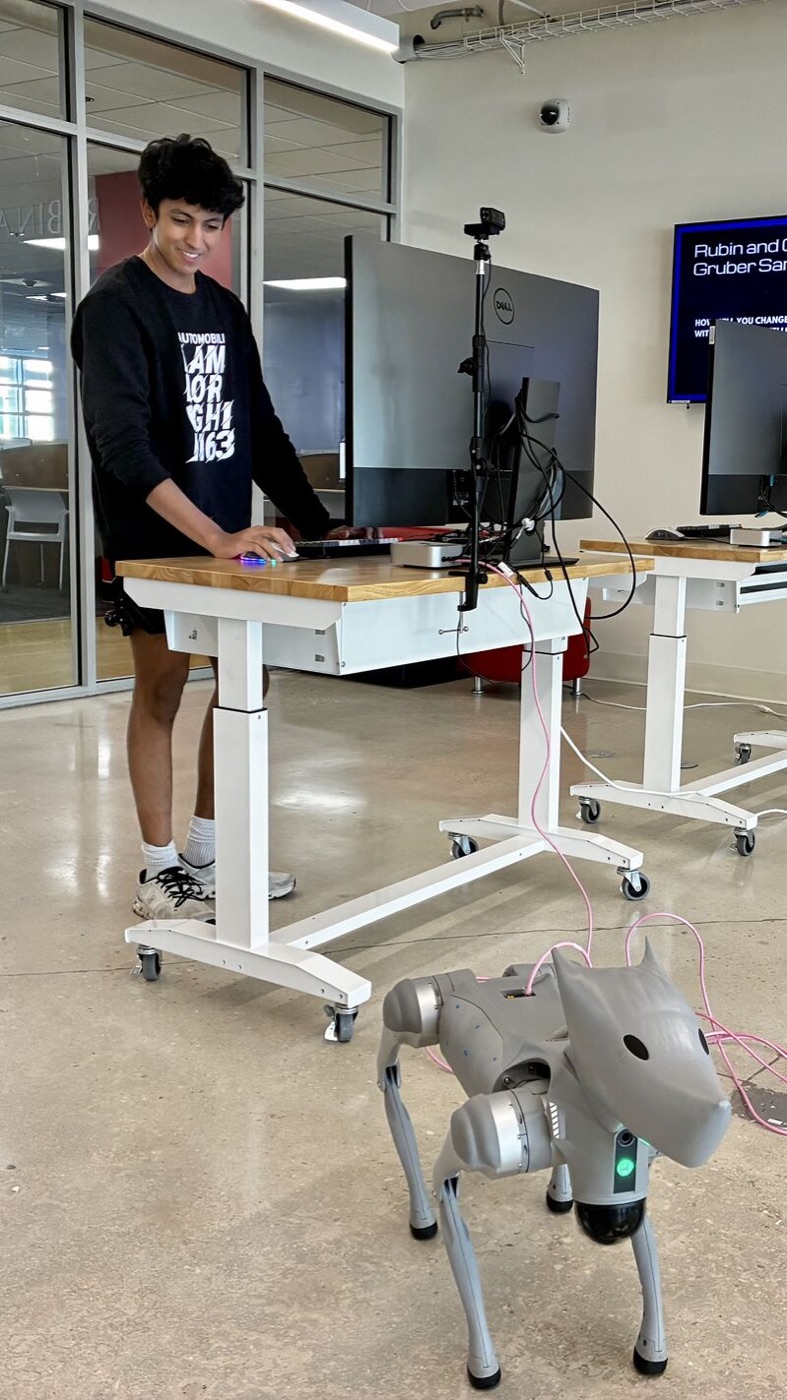
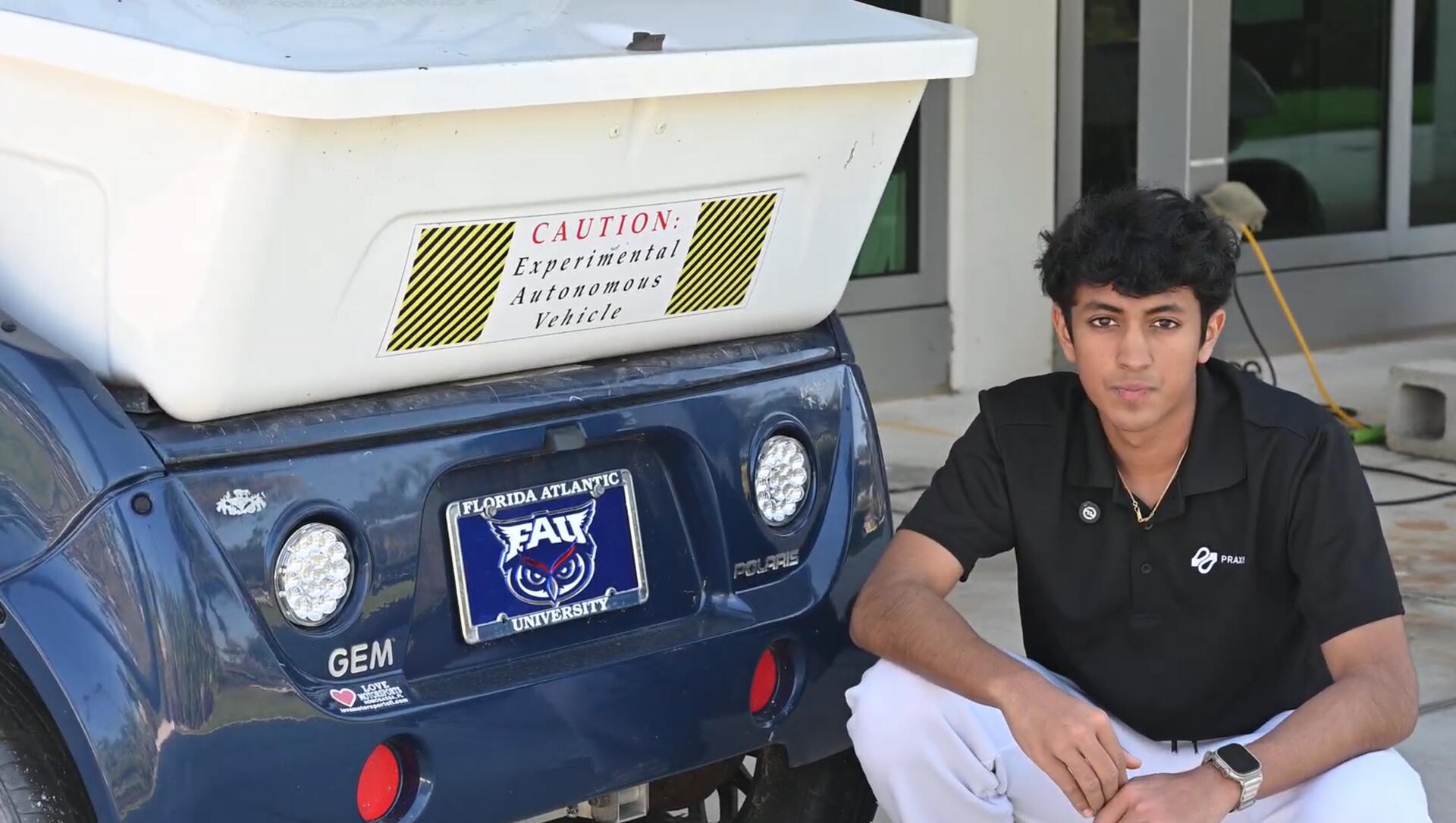
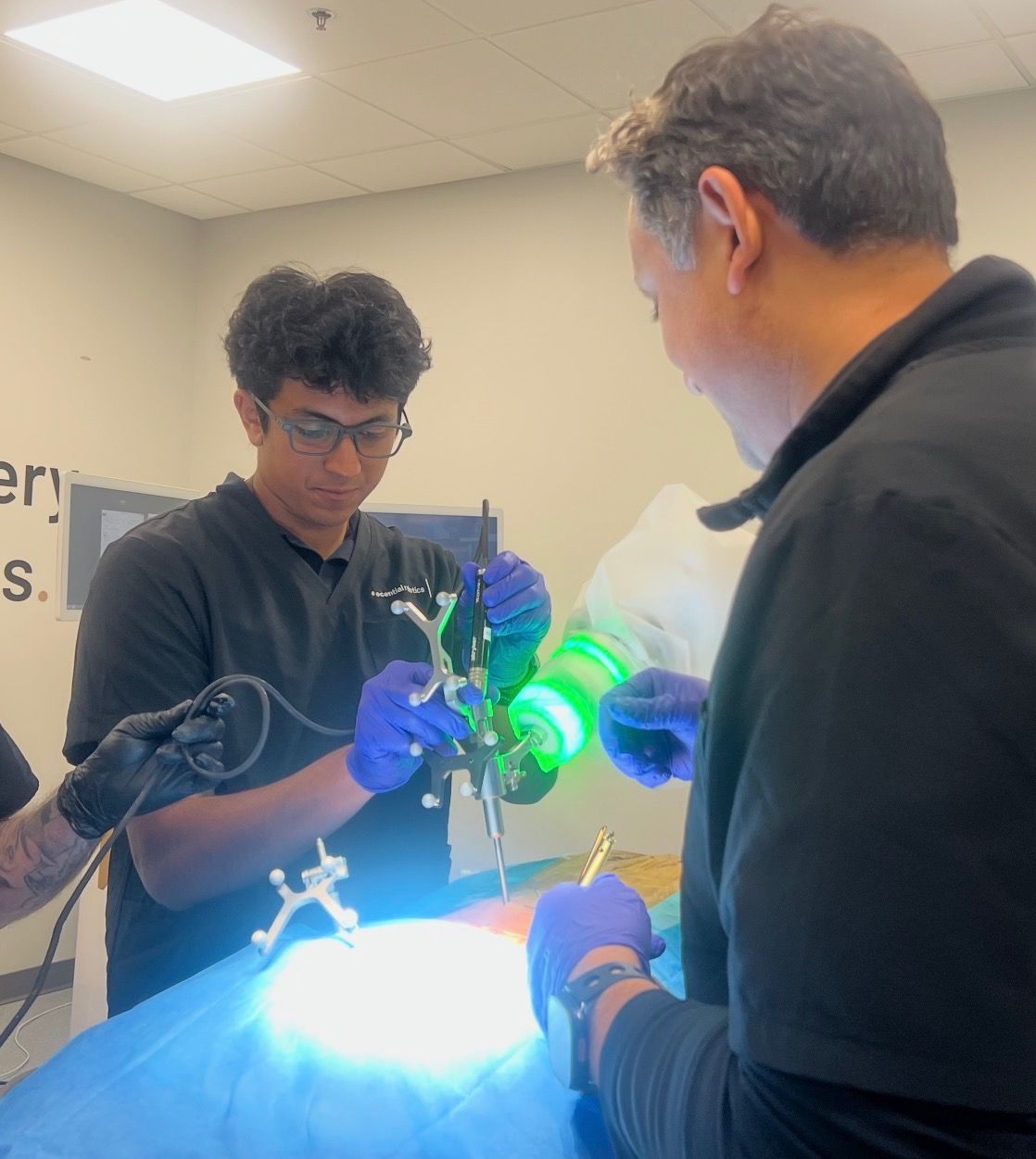
Most of my time goes to vision-language-action models, embodied AI safety, and robots that actually have to move around a room. Getting a model to do the task once is the easy part. What I keep getting stuck on is the run where it doesn't — catching it before it breaks, and being able to say why it broke. “It worked in sim” stopped being a real answer for me a while ago.
I've shipped ML inside a company and written a first-author paper for a conference. Some of that was clean labeled data; some of it was sixty human participants and a MANOVA I had to figure out as I went. I've trained policies in simulation and then watched them fall apart the second they touched a real arm. The part that actually carries over isn't technical — it's asking better questions and sitting next to people who know more than I do.
Currently, I'm at MPCR (FAU) working on robot policies, embodied AI, and the tools that let people actually trust them. I care more about owning the full stack—wiring, firmware, ROS, perception, models—than about polished demos.
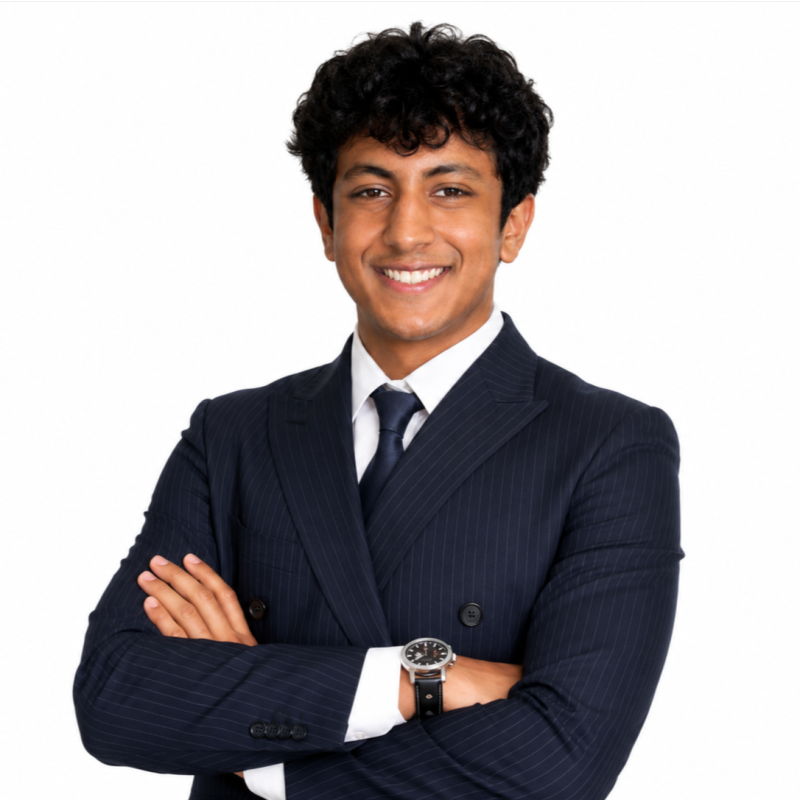
it's me
What dive into my work
Start with the failure, not the demo
Anyone can film a robot pulling off the task once. I care more about the run where it goes sideways. My first-author paper is about catching failures inside a frozen policy before they happen — because if you can't tell when a system is about to break, you're really just hoping it won't.
break it first.
the floor is messy.
Simulation is not the world
Isaac Sim is clean. The lab floor is not. Doors are closed, elevators exist, lighting changes, and the gripper misses. I care about the gap between a policy that works in sim and one that works on hardware, because that gap is where most robotics claims quietly fall apart.
Brains got there first
A robot needs thousands of demonstrations to learn a task a person picks up in three tries. That gap is the problem I care about most. I read neuroscience for the same reason I read robotics papers — biology already solved sample efficiency, and I'd like to know how.
we, not me.
rejection is data.
Publish the misses
My first paper got rejected. I left that on the site, because a portfolio of only wins is a portfolio you can't learn anything from. The rejection taught me more about the review cycle than the submission did.
What dive into my work
Timeline

MPCR, FAU
AI Research Lead & MPCR Fellow. I am an and study robot policies—VLA models, reinforcement learning, and embodied AI in simulation—and the tooling that makes them trustworthy enough to deploy in the real world. First-author research on latent failure prediction inside frozen policies.
Sep 2025 - Current

The Ethics Lab
Co-Founder. Program design, partnerships, and strategic direction. A student-led nonprofit making AI education free and classroom-ready, and teaching students to use AI without outsourcing their thinking to it.
Nov 2025 - Current

LVNG.AI
AI Engineer. Shipped applied machine-learning and computer-vision systems end to end—data, models, and the infrastructure around them. ML pipelines, recommendation engines, predictive forecasting and NLP systems in production — Python, PyTorch, AWS and GCP.
Aug 2025 - Jan 2026

Canvas Prime
Digital Health Investment Research Analyst Intern. Researched digital-health companies and markets, evaluating technology and clinical evidence to support investment decisions.
Apr 2025 - Sep 2025