What it does
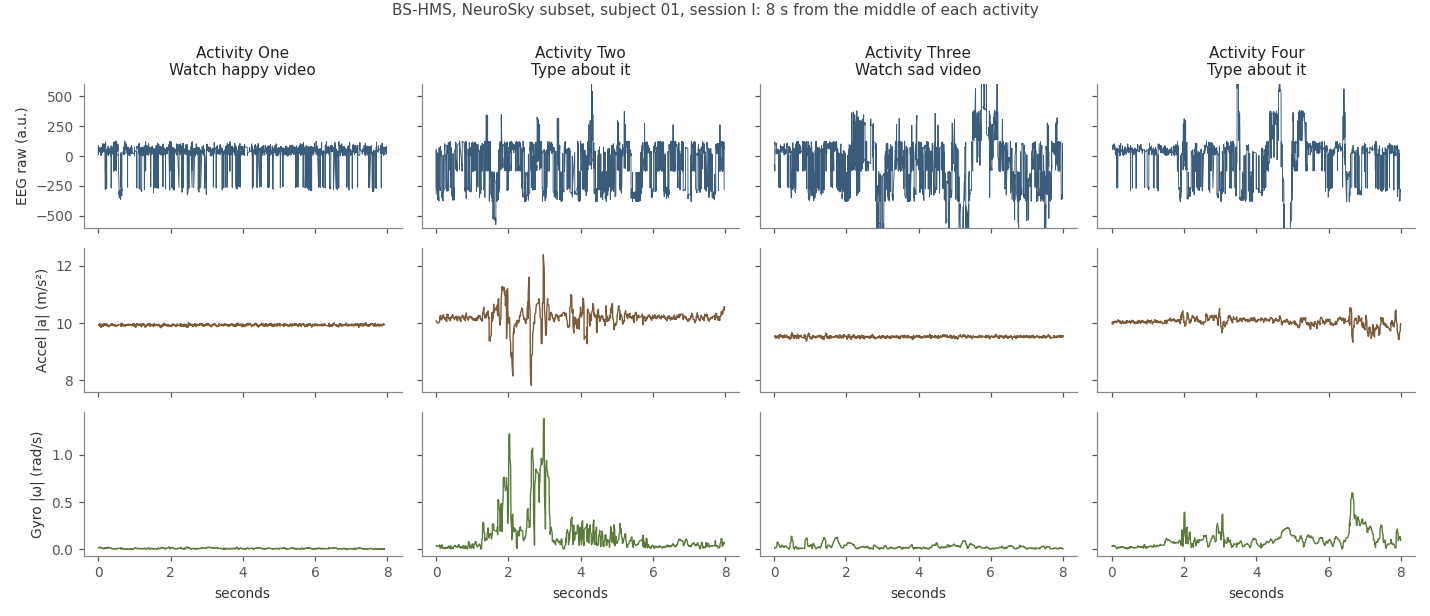
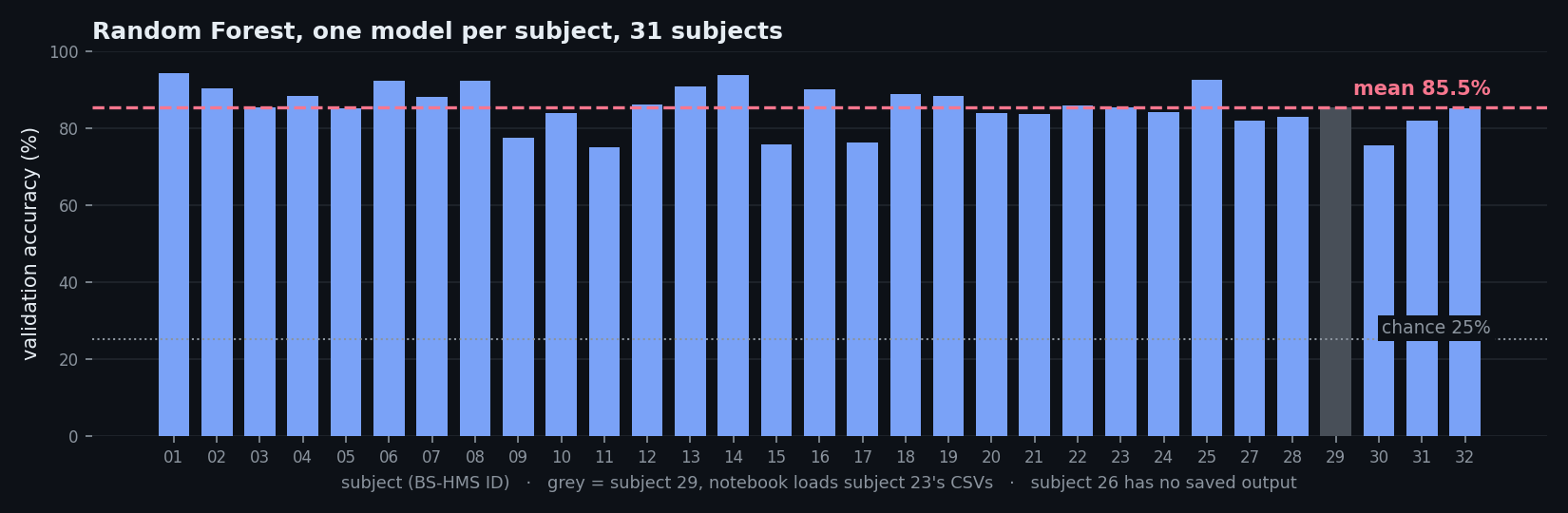
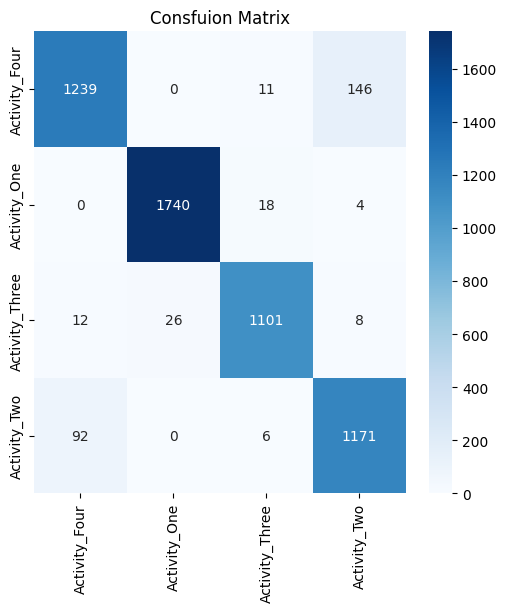
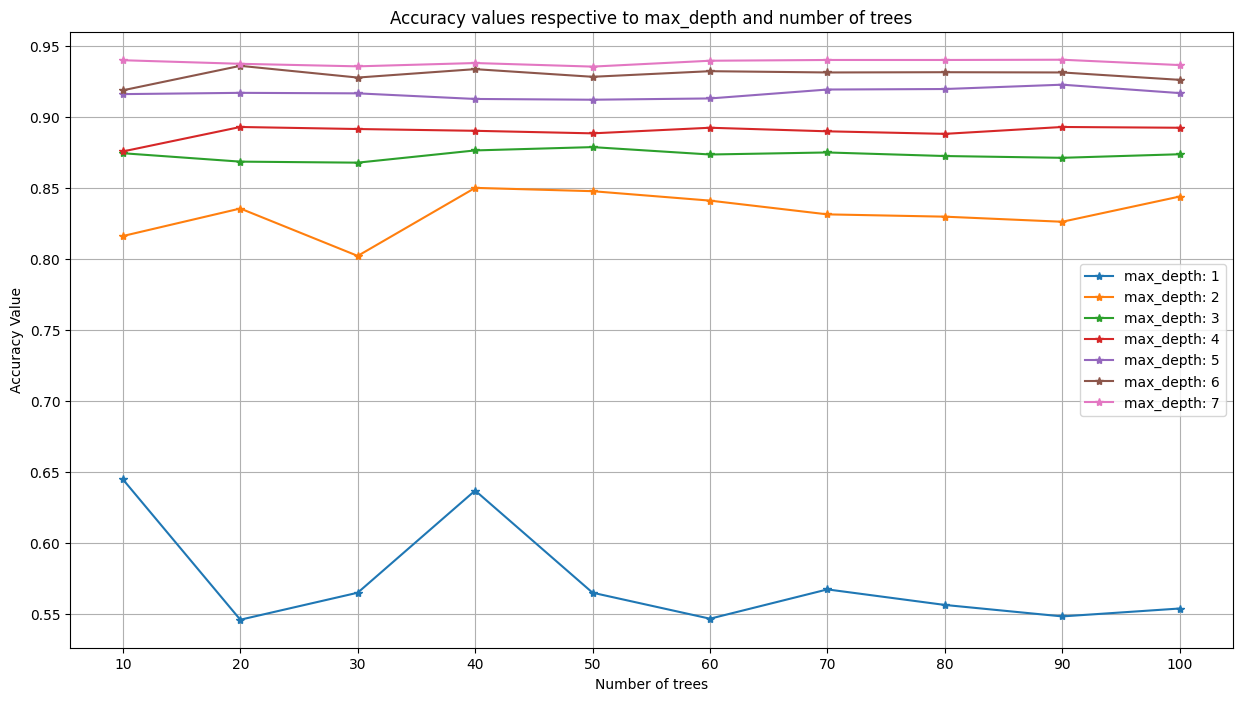
The subjects watched a happy video, typed answers about it, watched a sad video, and typed answers about that. I trained a separate classifier per person to tell those four apart, with 70 Random Forest configurations swept per subject. Saved models scored about 85% to 94% on a held-out test split for 9 subjects.
What I'd fix before trusting it
- Shuffled split. Train and test rows come from the same minutes of recording, which inflates accuracy.
- Motion vs EEG. Six of the seven features are wrist motion, and typing vs watching is easy to read from a smartwatch. There's no EEG-only run, so I can't say how much the brain signal contributes.
- Per-subject only. Nothing tests transfer to a new person.
- The poster's number. The poster reports 89% and frames this as decoding emotion. I can't reproduce that figure from the saved outputs, and the framing goes further than the data does. The numbers on this page are the ones I can back up.